Living on water
1501
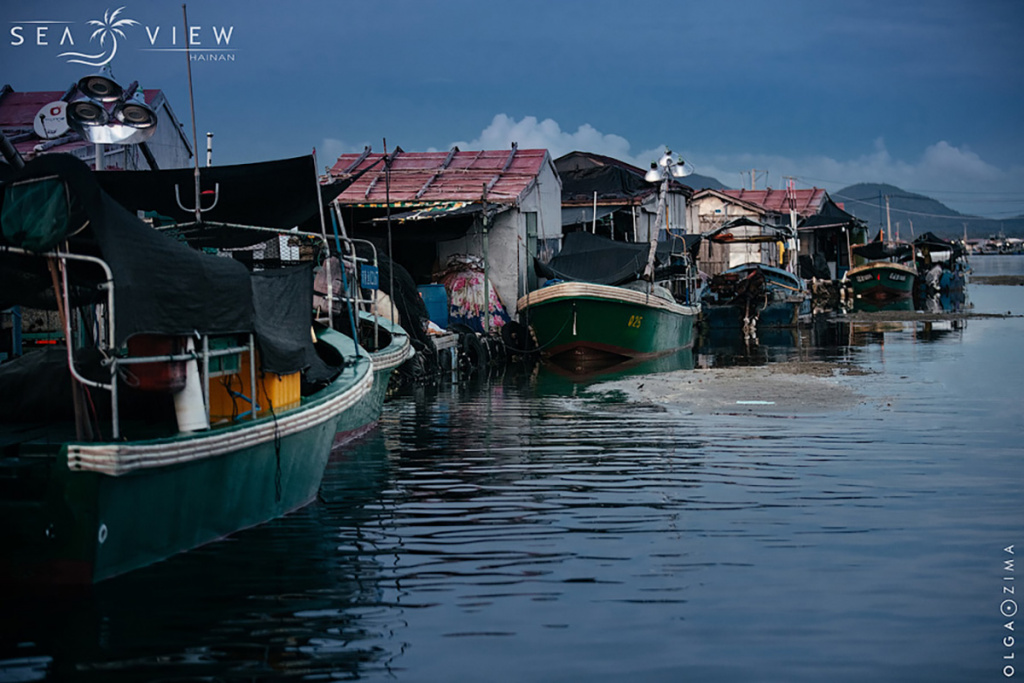
Amazing photo report from a fishing community on the water.
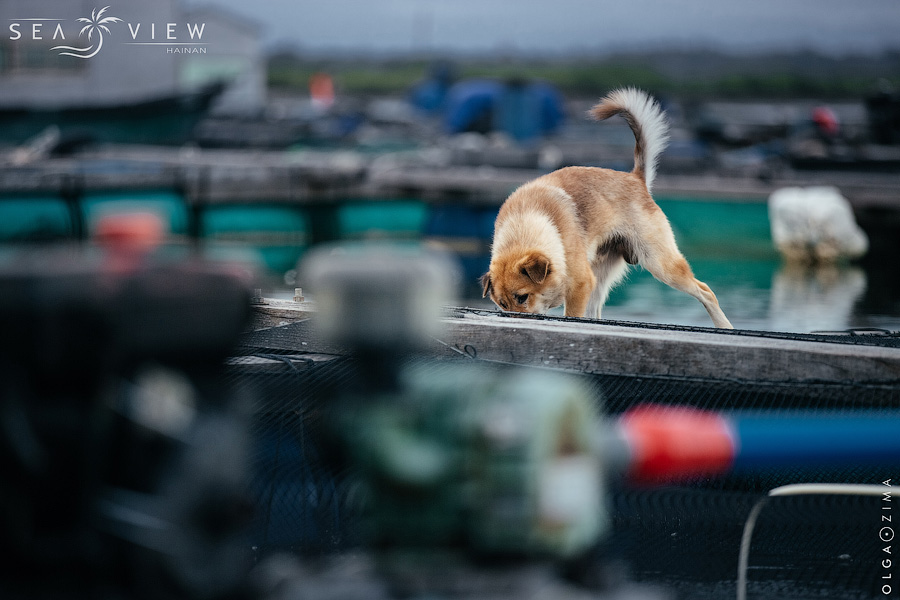
Imagine a small settlement where it seems the world has turned upside down! Where people live not on the water, but on land and use boats instead of cars. Where dogs run around houses and cats sit on a leash. Where fish pools are called a fish farm and electricity is more of a luxury than an ordinary thing.
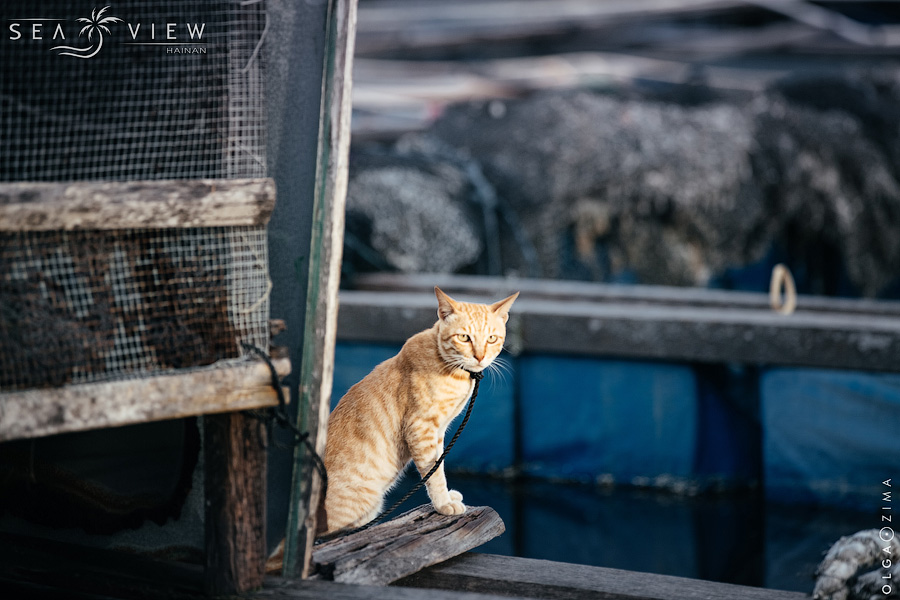
And such a place actually exists!
This is a fishing village on the water that will definitely be one of the ten most atmospheric places I have ever been to.
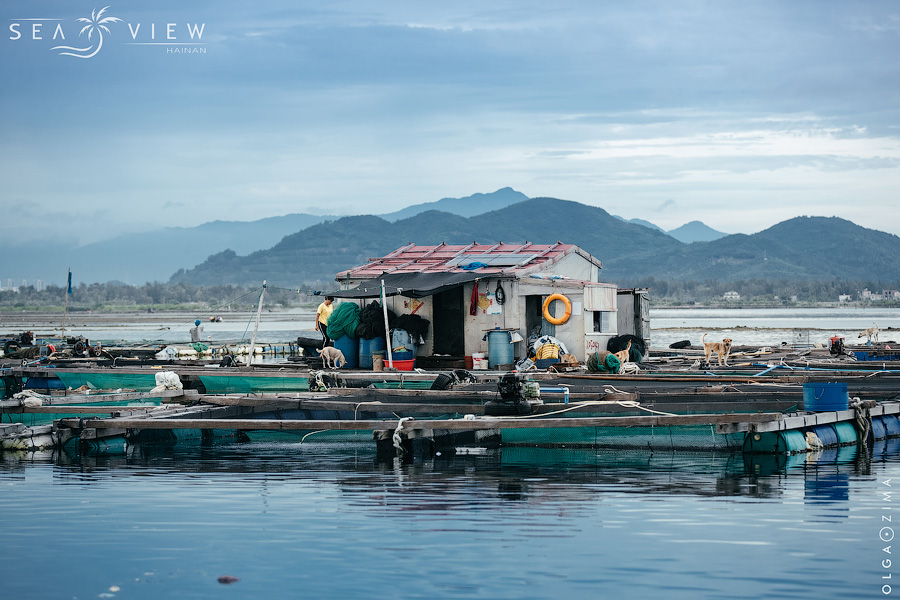
Lingshui Autonomous Prefecture is located 80 km northeast of the famous resort city of Sanya on Hainan Island. This is a very tiny town by Chinese standards, but it deserves attention and is worth a couple of days to visit.
Translated, “Ling Shui” means clean water and it’s true - the town is famous for its beautiful clean beaches with clear water. But as a photographer, I was interested in Lingshui not for it’s beach locations, but for this village, where I spent several days in search of the incredible photos.
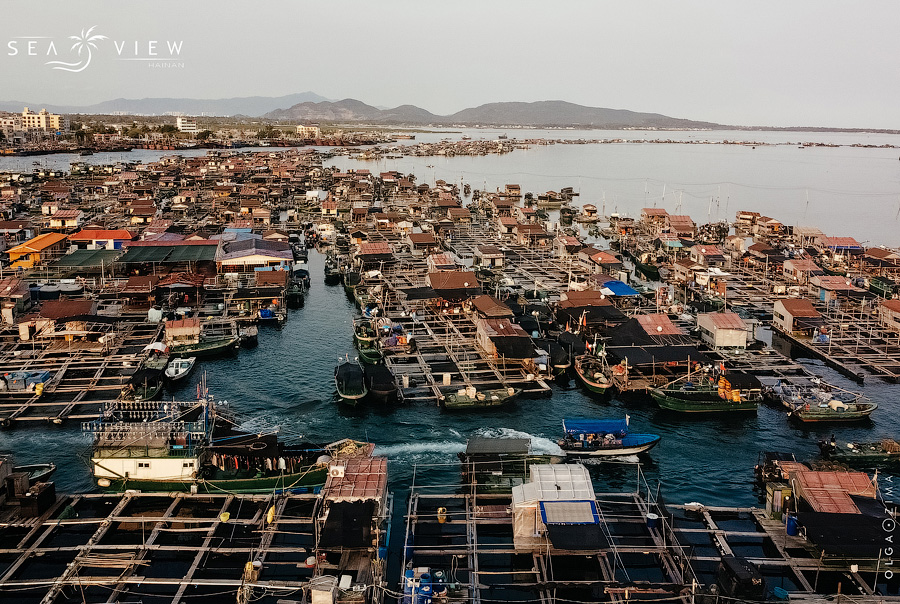
Many tourists have seen this village from a bird's eye view. When visiting the Monkey Island excursion (although in fact it is a peninsula), one way or another you will “fly” on a cable car over the “sea settlement”. But what kind of settlement this is, and how real local fishermen live, is hardly possible to see from above.
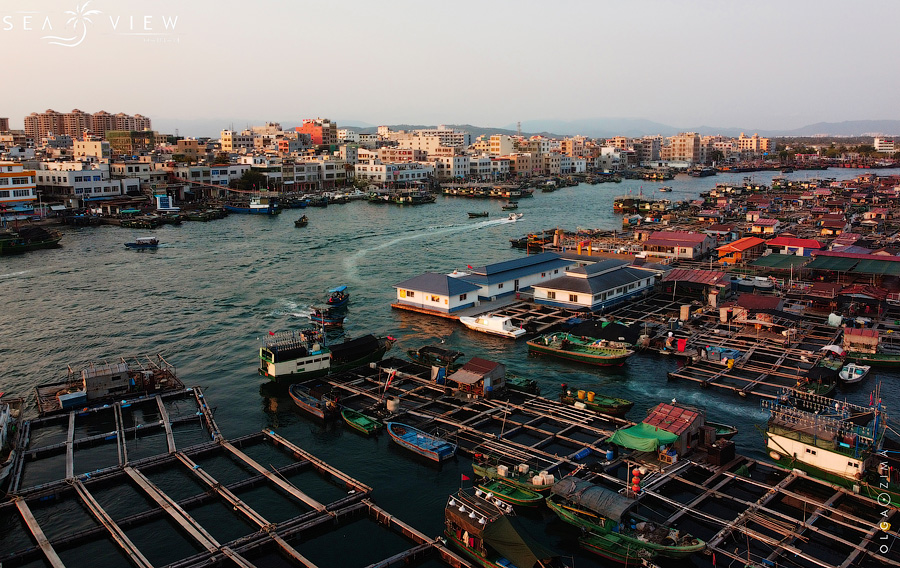
A mysterious place that many have seen, but few have decided to visit, definitely attracts lovers of authentic places. I recommend this place to visit for those who are not afraid of the fishy smell, are interested in exotic things and like to get an inside look at life.
They say that the first inhabitants of this village were poor people who could not afford to pay land taxes and therefore settled not on land, but on water.
There is very little information on the Internet about this place, which is what got me interested in it.
I will try to tell you everything that I managed to see during the few days I spent there.
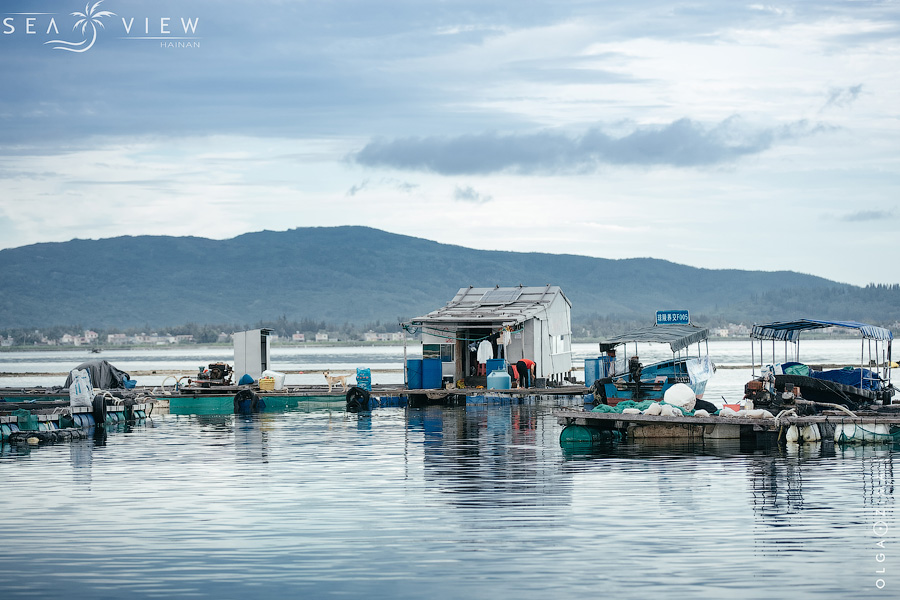
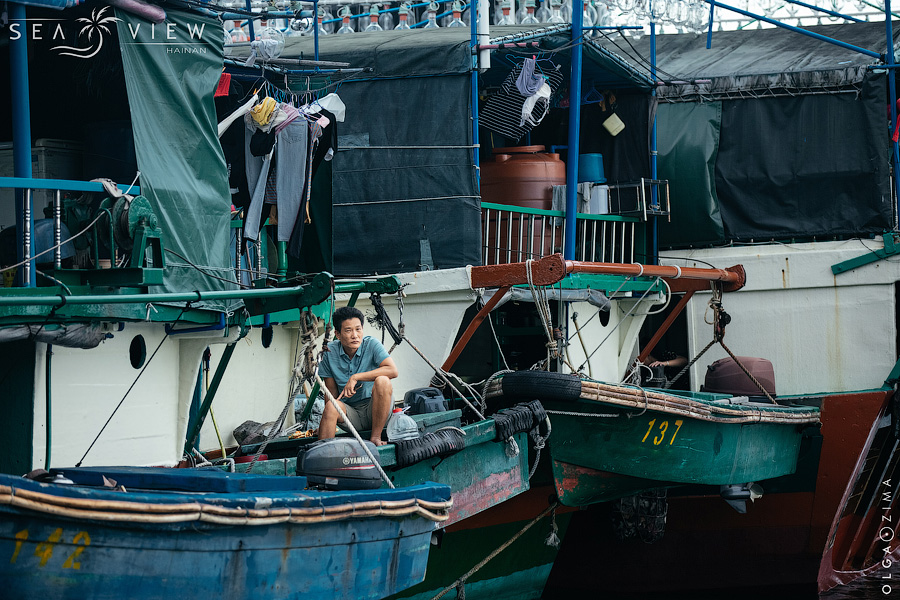
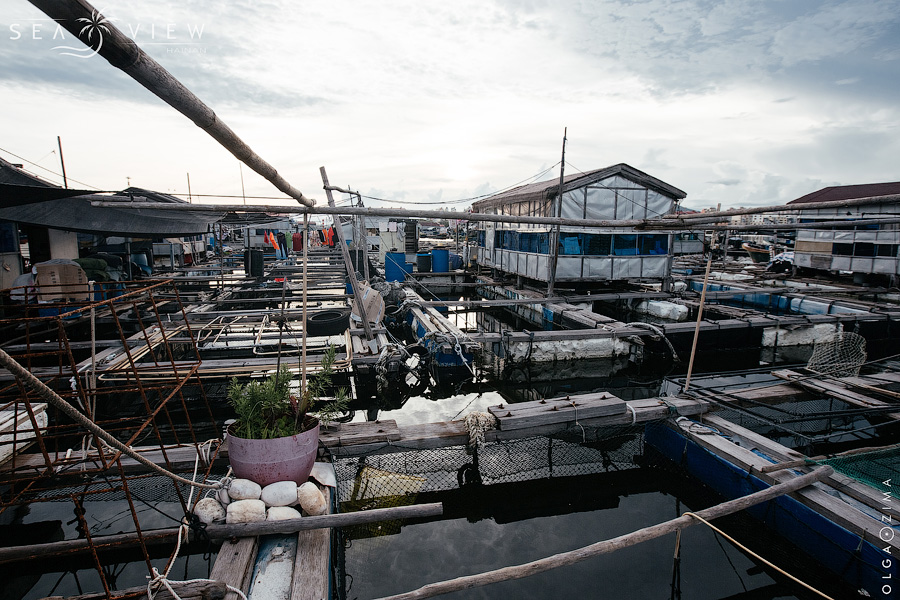
The village consists of dense rows of sheds, trailers on stilts or floats. Each resident's household includes a small house and, of course, a boat. And for some, the boat serves as their home. There is no way to survive without her.
Many people have several pools in front of the house - they grow fish in them. This is the very “garden” that, as a rule, feeds the whole family. All residents have “fish gardens” of different sizes, and everyone grows different fish. In general, the entire village lives from fishing. Someone catches, someone grows, but one way or another the sea feeds everyone.
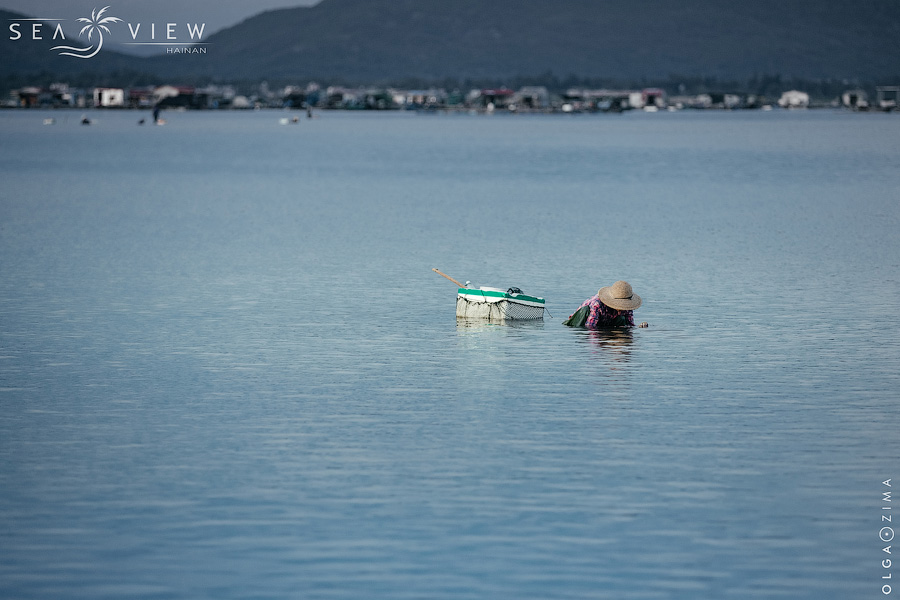
The village is located in a very convenient safe place - the Xincun fishing port.
The fishing port covers an area of 24 square kilometers. It is surrounded from the east and west by the Nanwan Peninsula. This is a unique natural harbor, it is very calm here, because the port has a natural shelter. It is now considered one of the province's key fishing ports.
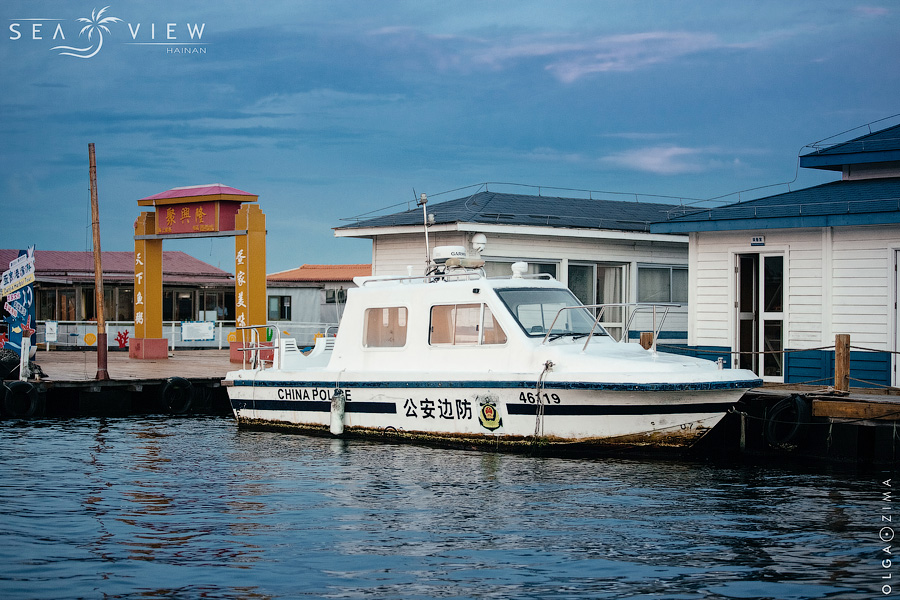
When you get here, it’s as if you find yourself in some kind of parallel universe, where there is a completely different way of life, different from the one you’re used to. Let’s have a walk through the streets of the village together!
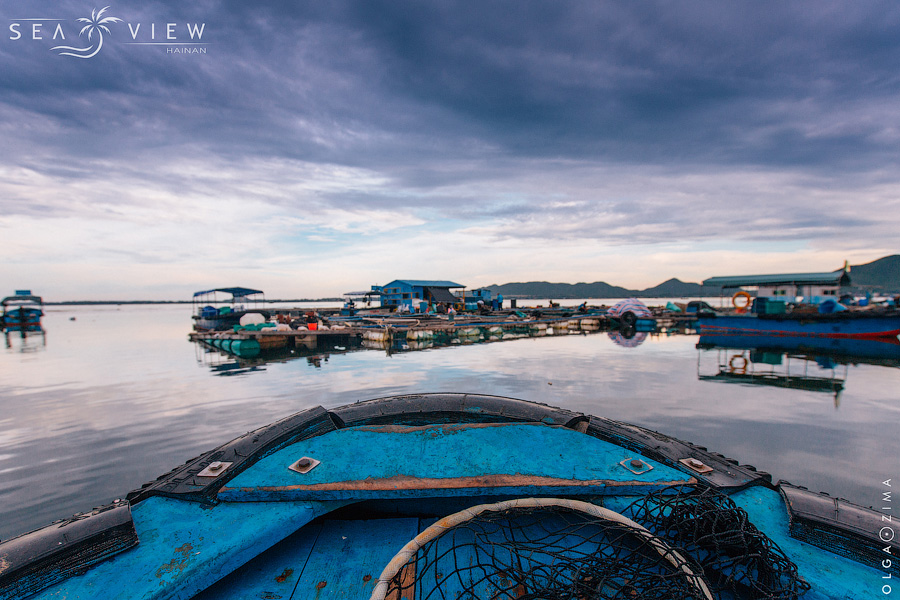
Firstly, everyone has a main means of transportation - a boat. This is not only the main assistant in earning money, but also a way to go on a visit or to a store for shopping or to the city on business. Boats stand at every house and amaze with their variety of shapes and sizes.
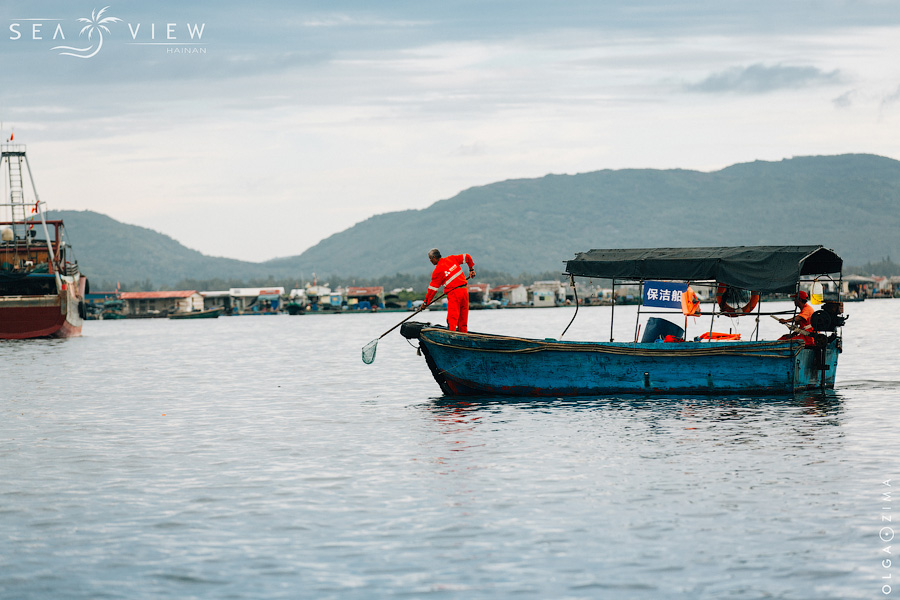
Here, one might say, is a janitor boat, collecting garbage from the surface of the water.
There is active selling from many boats:
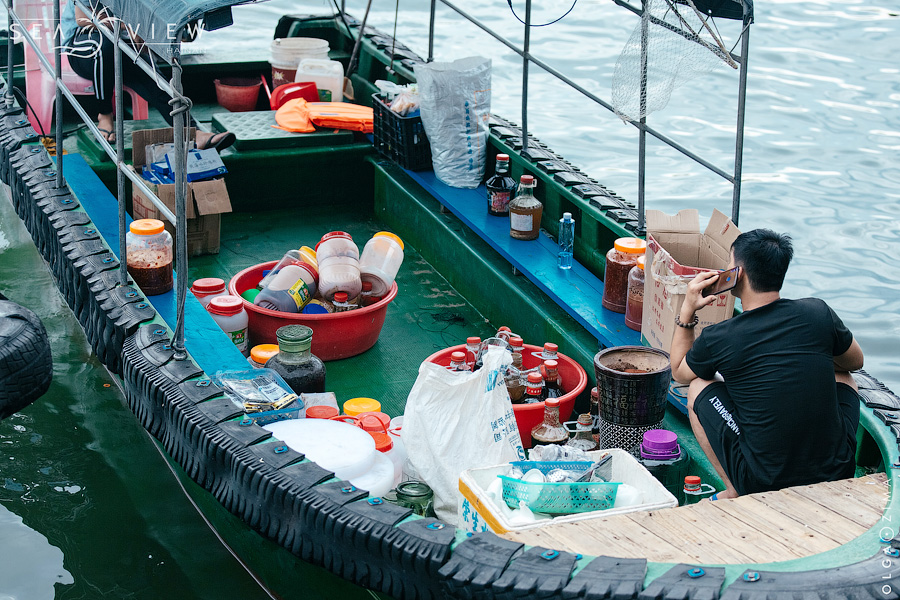
There are boats running between the port from the shore and to the restaurant on the water. There are several restaurants and cafes like this here, curious tourists increasingly began to look into the village, seeing it from above the funicular, and of course, enterprising residents cannot miss the opportunity to make money from guests. You should mentally prepare yourself for the fact that the restaurant is far from 5-star, but you will be fully immersed in the local way of life.
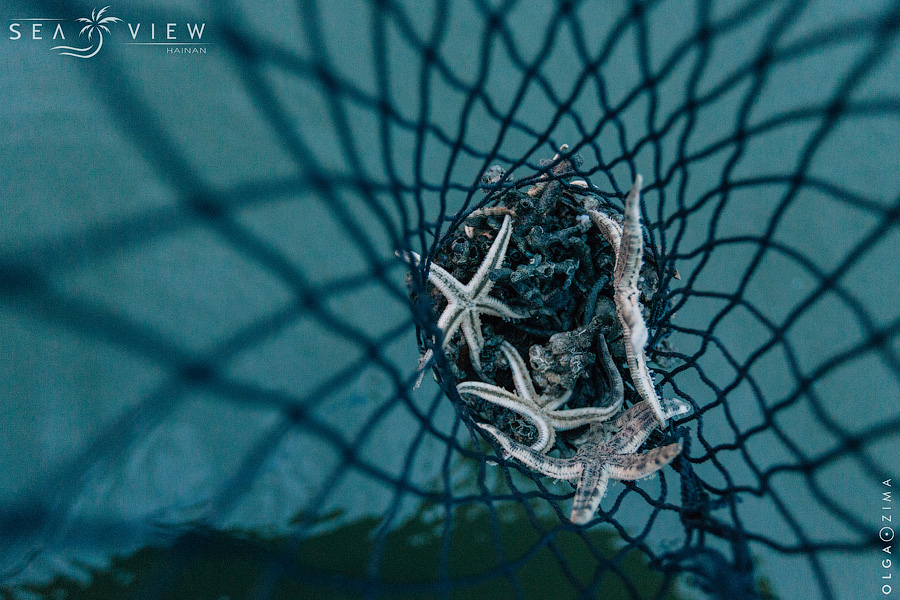
I recommend it for exotic lovers, but not for picky persons. You can also try to catch sea delicacies yourself using a net and they will prepare them for you.
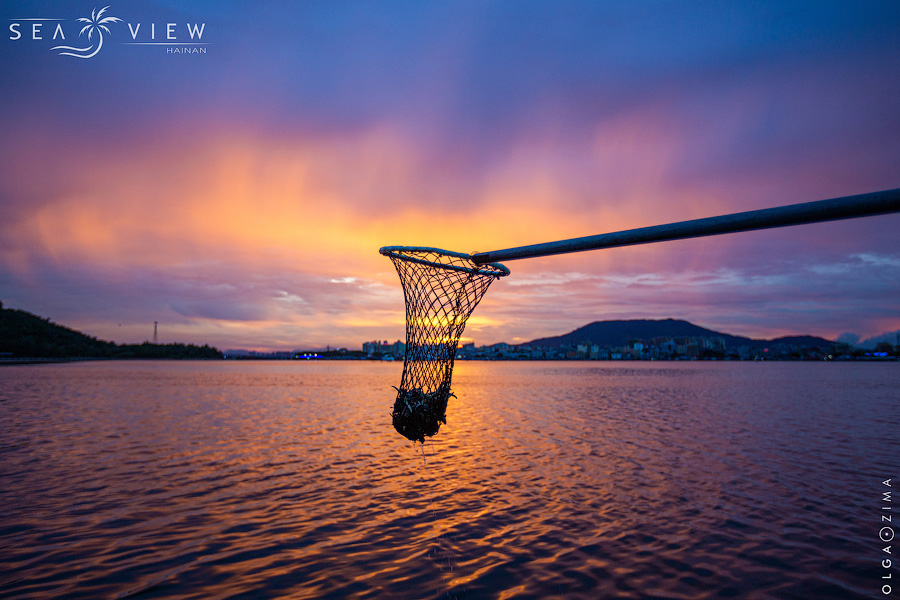
We refused such a dinner, took a couple of shots, and released the sea inhabitants back into the sea.
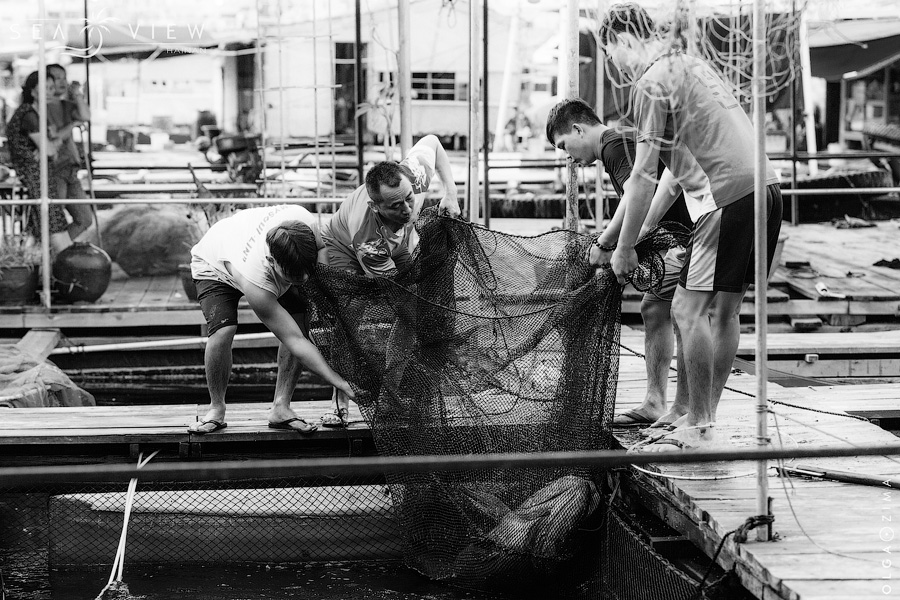
If you're lucky, you might get to see some of the old traditions. This photo, for example, captures a rather rare action for fishermen - fish raised in a pool are taken to be released into the sea.
This fish is huge in size and weight; four men can hardly carry it onto a boat, which will take it out into the sea waters.
This is a kind of offering and a rather old tradition that is still observed.
But this phenomenon is much rarer than fishing on a commercial scale. Squid is especially good at catching!
Surely you have all seen boats with a huge number of light bulbs? There are a lot of them here! Therefore, I will explain about this boat in more detail. This is a squid trap - it is used to catch squid without bait, using electric light as bait after sunset. In general, the squid is quite unpredictable in its behavior, so fishermen find out its aggregation points in advance using a fish-finding device.
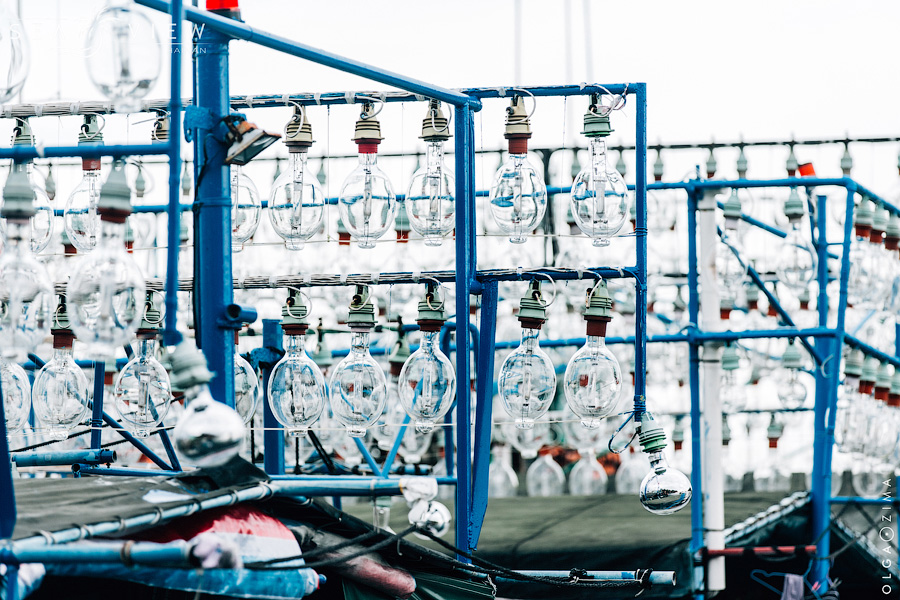
Squid fishing is quite a romantic sight, and you can enjoy it to your heart's content by simply strolling along the seashore in Lingshui after sunset. Squidfish, like shining garlands, encircle the coastal area and fascinate with their light.
This light is a key point in fishing, it is believed that the squid swims towards it. Although opinions on this issue differ - many argue that the squid is not sensitive to light, and plankton swims towards these chandeliers, followed by the squid.
But the village does not live by squid alone. A huge number of marine inhabitants are caught and bred here. To understand how this all happens, I asked to visit the local residents. Meet the elderly Li couple, real locals, raising fish in their pools.
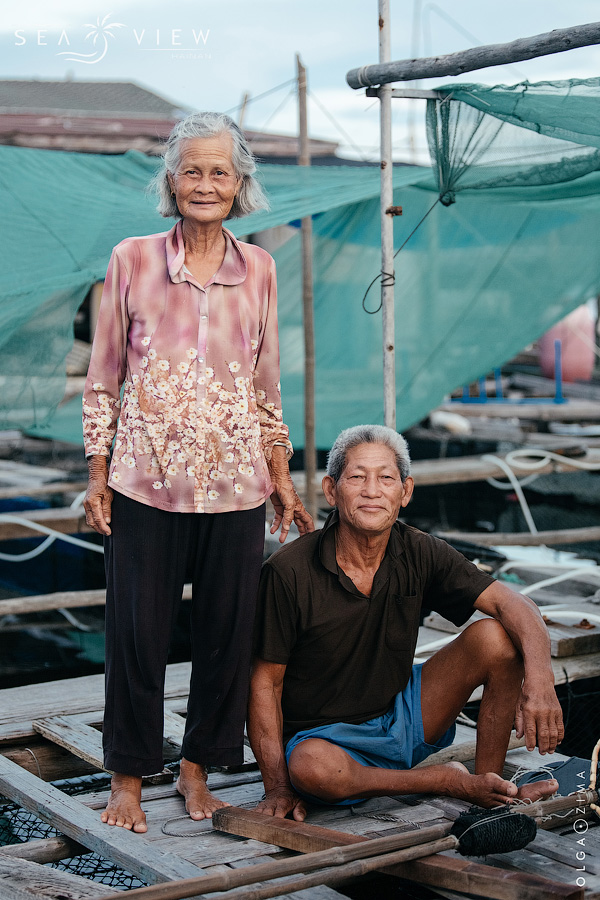
They have a fairly decent fish farm by local standards, behind which there is a house, quite modest, with a couple of rooms. There is a TV, dining and sleeping areas. Everything is very clean and quite comfortable.
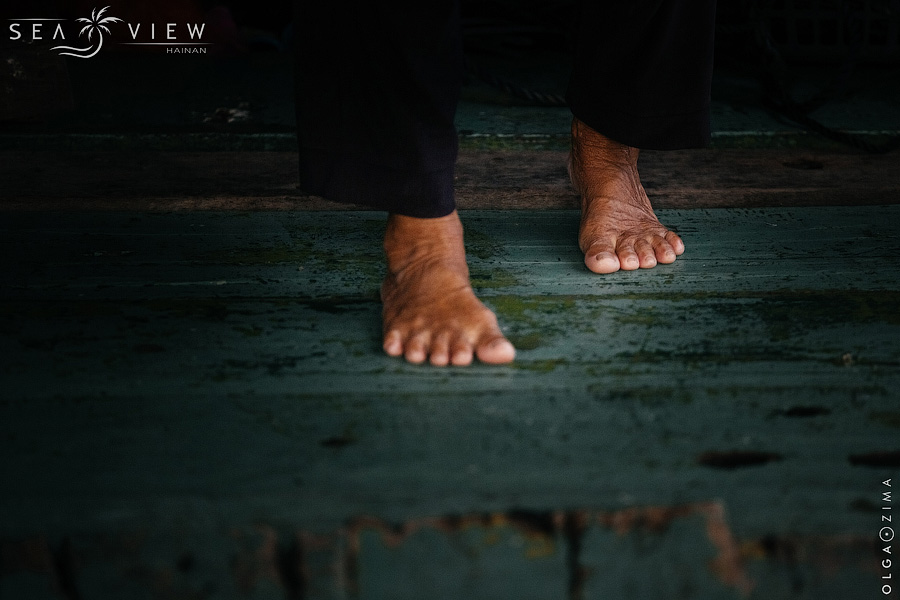
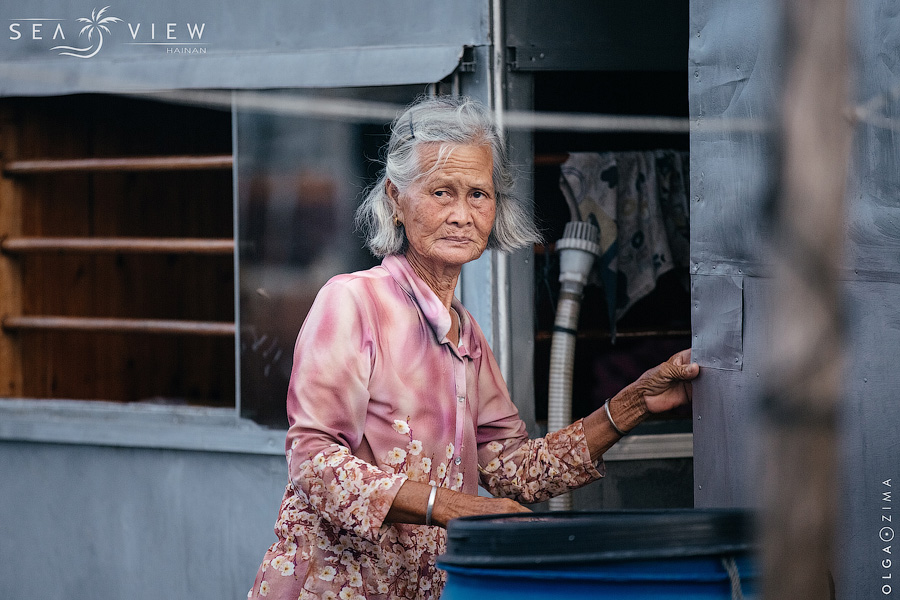
Zhang and his wife are already 74 years old, but despite their advanced age, they independently support the entire household!
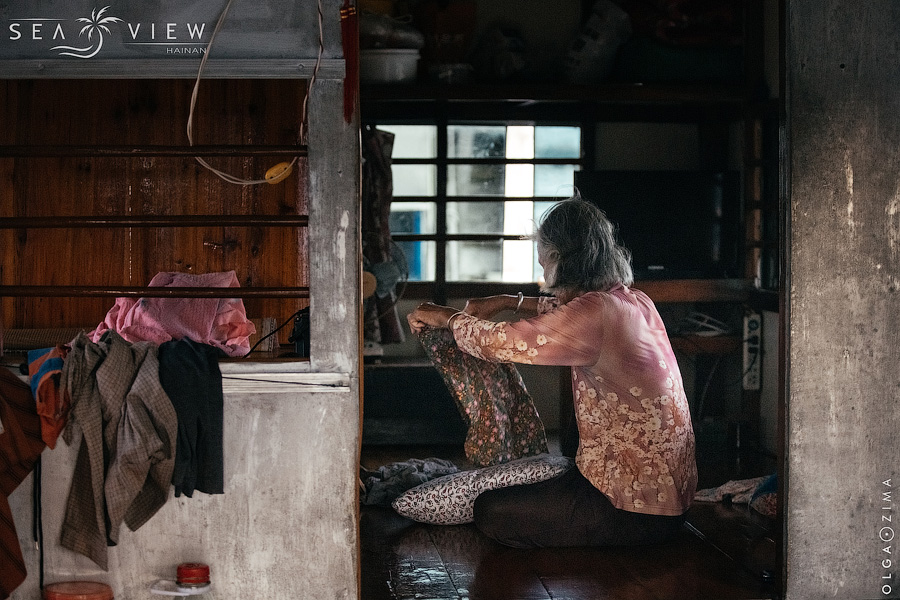
They buy fish fry and raise fish from them in their tanks. In all pools, fish are stocked according to age; the growing period is on average up to 3 years. Up to a hundred fish live in one pool and are then sold wholesale to restaurants and stores.
Zhang Li has his own regular customers, who make wholesale purchases on an ongoing basis. The couple lives alone and, despite Zhang’s sore legs, they cope with the entire household.
Such hard work and love for one’s work can only delight and inspire.
After thanking the Li couple for the warm welcome, we headed ashore.
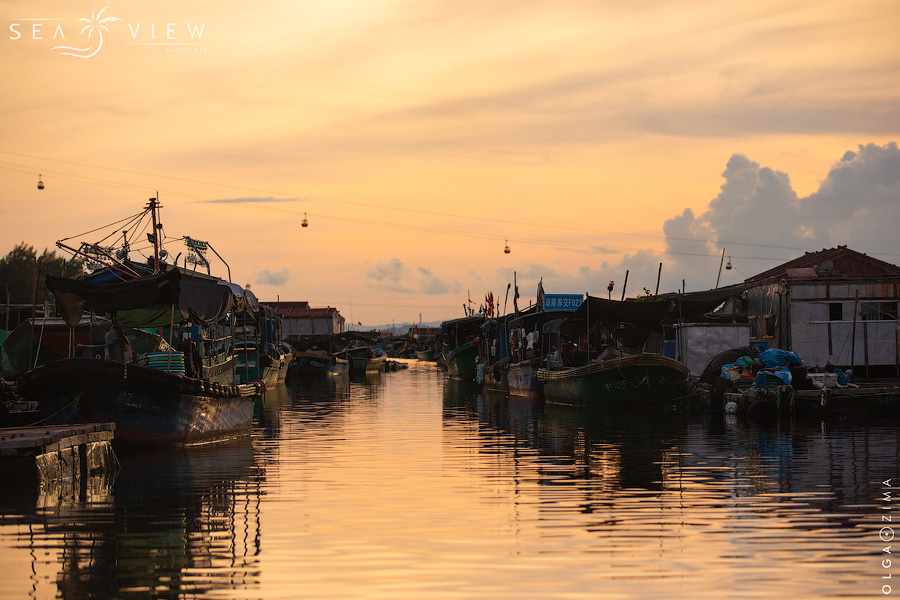
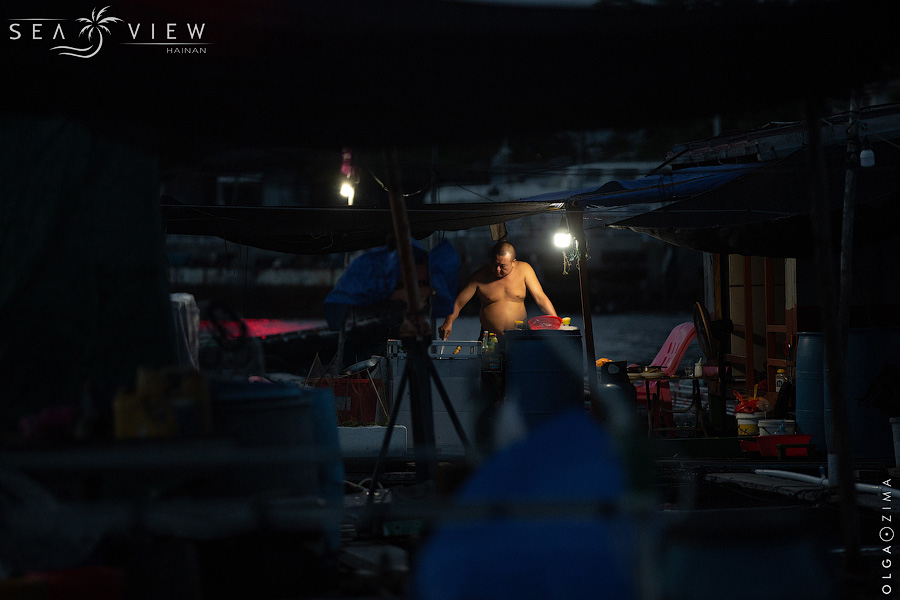
Before sunset, residents gathered around the tables in their floating houses for dinner. They are waiting for an evening shower, dinner with loved ones and going to bed.
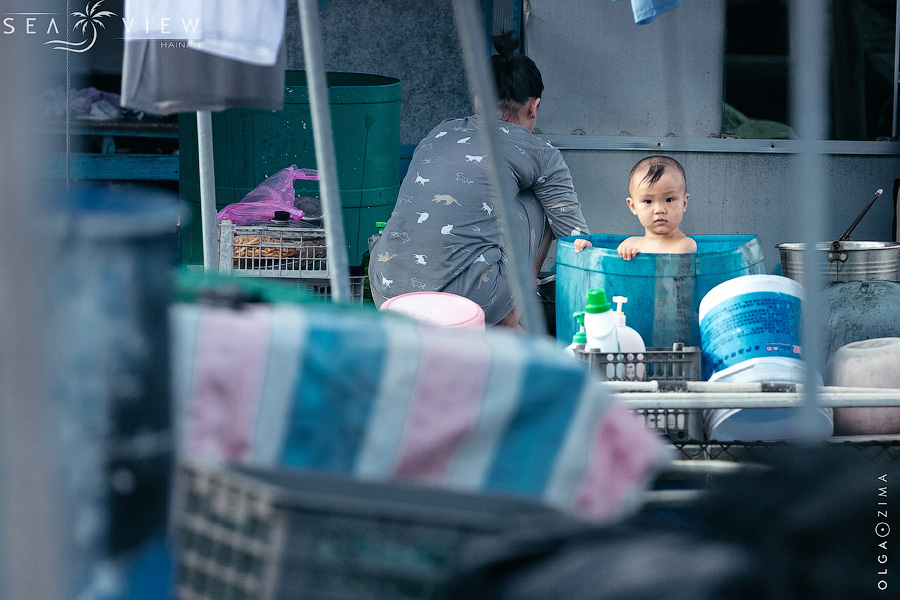
They go to bed early here - not everyone has electricity, and it is more of a luxury item than a necessity. So, we returned along the now completely dark sea lanes.
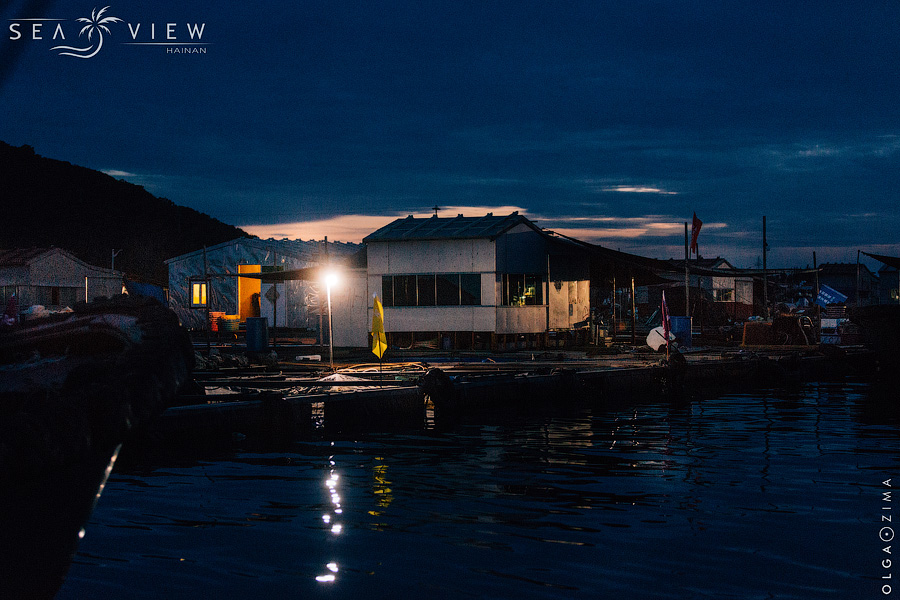
In this place, I especially felt that a fisherman is not a profession, it is a style and way of life, and partly its meaning. It feels like the sea flows in the veins of these people, its spirit and strength give them energy for daily feats. The opportunity to plunge into this atmosphere and get to know better the life of people who seem to live nearby, but in a completely different way, is a great success, because from any trip, in addition to photographs and souvenirs, it is important for us to bring new thoughts and discoveries.
0 Comments