A Journey Through Millennia: Luobidong Cave Reveals Its Secrets
105
On September 24, the first cultural heritage study tour of the "From Ten Thousand Years to This Moment" educational project — "A Journey Through the Cultural Heritage of Luobidong Cave" — took place with the support of the Sanya Tourism, Culture, Radio, Television and Sports Bureau, under the guidance of the Sanya Public Cultural Center, and organized by the Sanya Luobidong Site Protection Center.
We were lucky enough to be among the first participants!
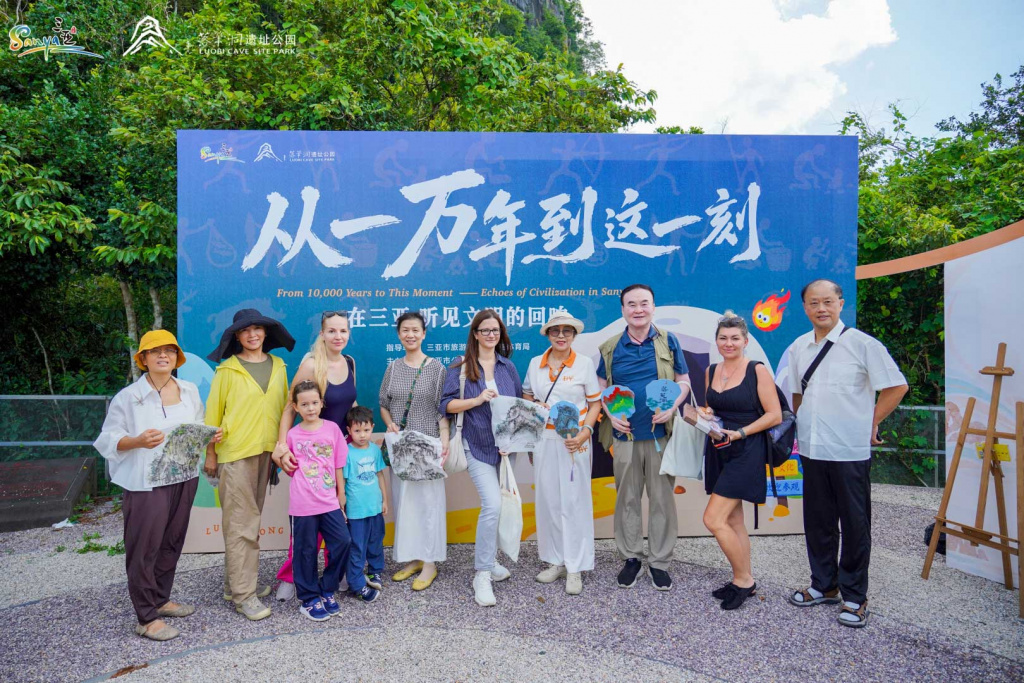
Luobidong (落笔洞) is not just a pretty cave. It is the southernmost Paleolithic site ever discovered in China, preserving traces of ancient humans who lived here long before writing, cities, or states existed.
In 2025, Luobidong Cave was included in the national program to establish a National Archaeological Park — official recognition of its value at the highest level.
The Luobidong site sits at the foot of Luobi Mountain in Sanya's Jiyang District. It dates back around 10,000 years — impressive in itself! In June 2001, China's State Council designated it as part of the fifth batch of Major Historical and Cultural Sites Protected at the National Level.
The cave is a naturally formed limestone hollow with an irregular shape and a south-facing entrance. It measures 12.5 meters in height, 16 meters in depth, and 9 meters in width, with an interior area of about 145 square meters.
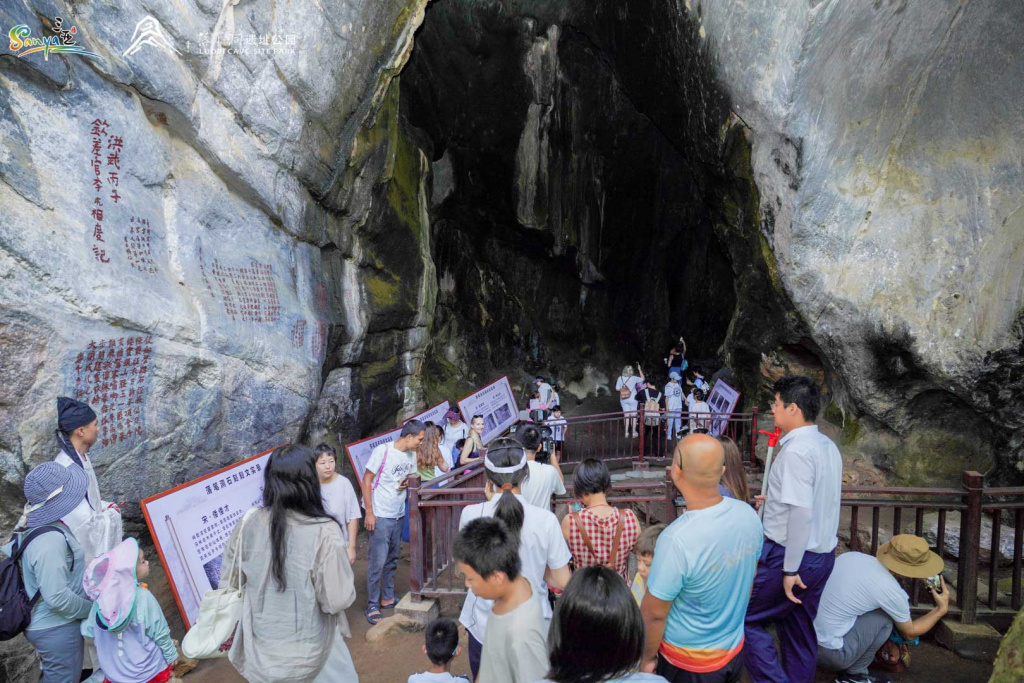
The site is rich in cultural relics. Two rounds of archaeological research and excavation were carried out here between 1992 and 1993. Researchers unearthed 13 fossilized teeth of late Homo sapiens and more than 200 stone artifacts, over 90 of which are typical stone tools. They also found fossils of 45 mammal species — including the lower jaw of a South China tiger and molars of an Asian elephant — along with fossils of 24 species of aquatic invertebrates.
Radiocarbon dating (¹⁴C) places the site at around 10,000 years ago, completely reshaping our understanding of human activity on Hainan Island.
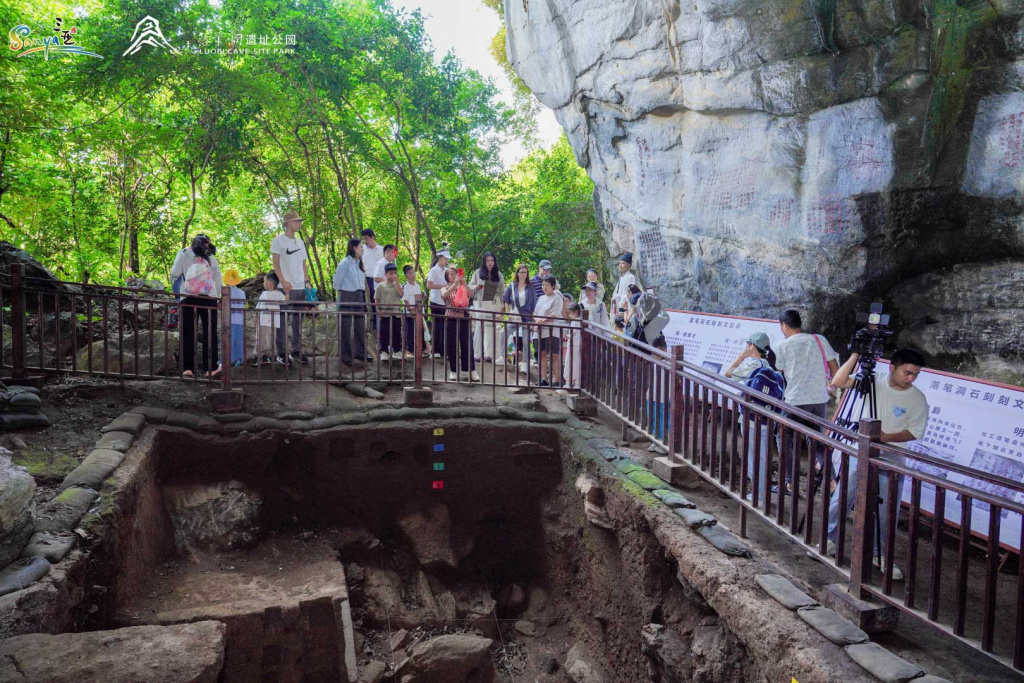
Luobidong is the earliest known Stone Age human site on Hainan, and the people who lived in the cave belonged to the Late Paleolithic period. It is also the southernmost prehistoric human cave site ever found in China.
The site is of enormous importance to the island. As the foundation of Hainan's human culture and a key archaeological specimen, it also carries vital information about the island's ancient environment. The discoveries and excavation results at Luobidong hold great academic value for studying the evolution and development of Hainan's ancient geography, climate, organisms, and human inhabitants.
This autumn's series of cave tours aims to introduce residents and visitors to the island's ancient historical heritage.
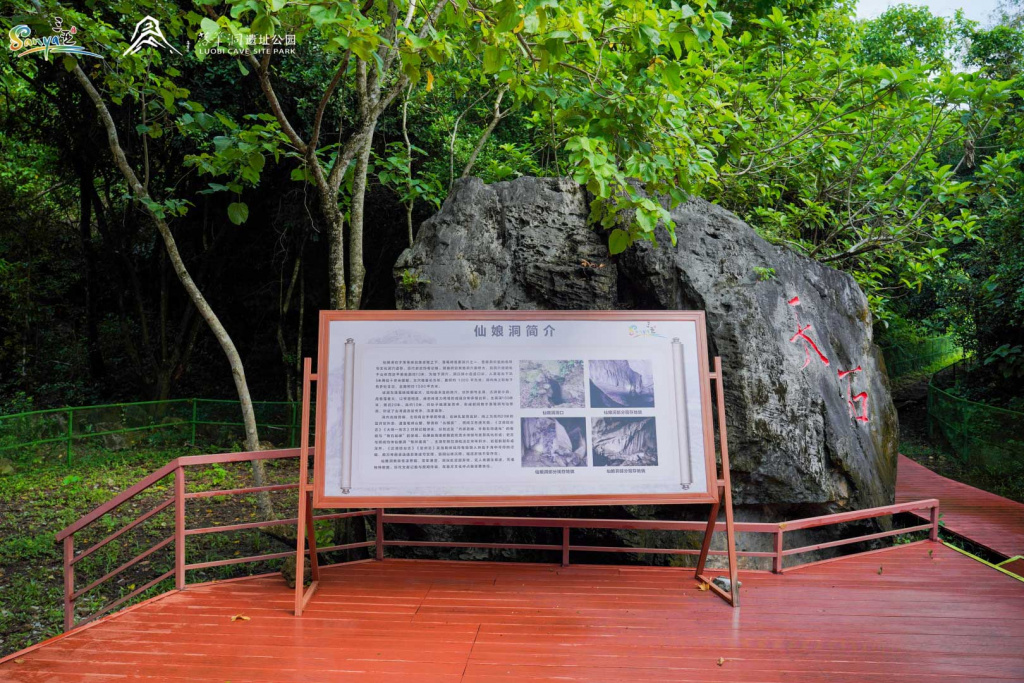
According to the organizers, the project helps bring archaeological discoveries out of academic halls and to the general public. For tourists, it's a rare opportunity — to experience both the sea and a history stretching back more than ten thousand years in a single trip.
During the first tour, we saw the cave, learned about its scientific history, and took part in masterclasses on calligraphy and lacquer-painted fan decoration.
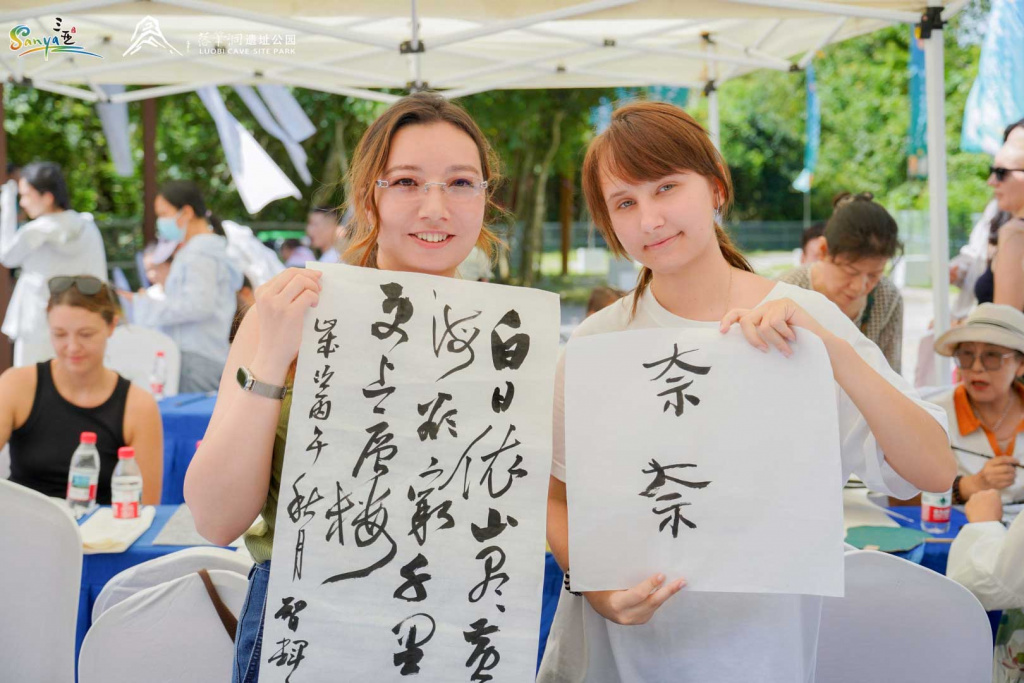
All of this took place right on the grounds of the ancient site — not in a museum behind glass, but in a real place where people lived thousands of years ago. That's why the organizers describe the format as "from observation to immersion."
The program continues in October with new themed events — "Seeing Ten Thousand Years" and "Wellness in This Moment." So if you're planning an autumn holiday on Hainan, you have a chance to join one of them.
And during the "double holiday" — Mid-Autumn Festival and National Day — even more cultural events and special offers await guests on the island!
0 Comments